
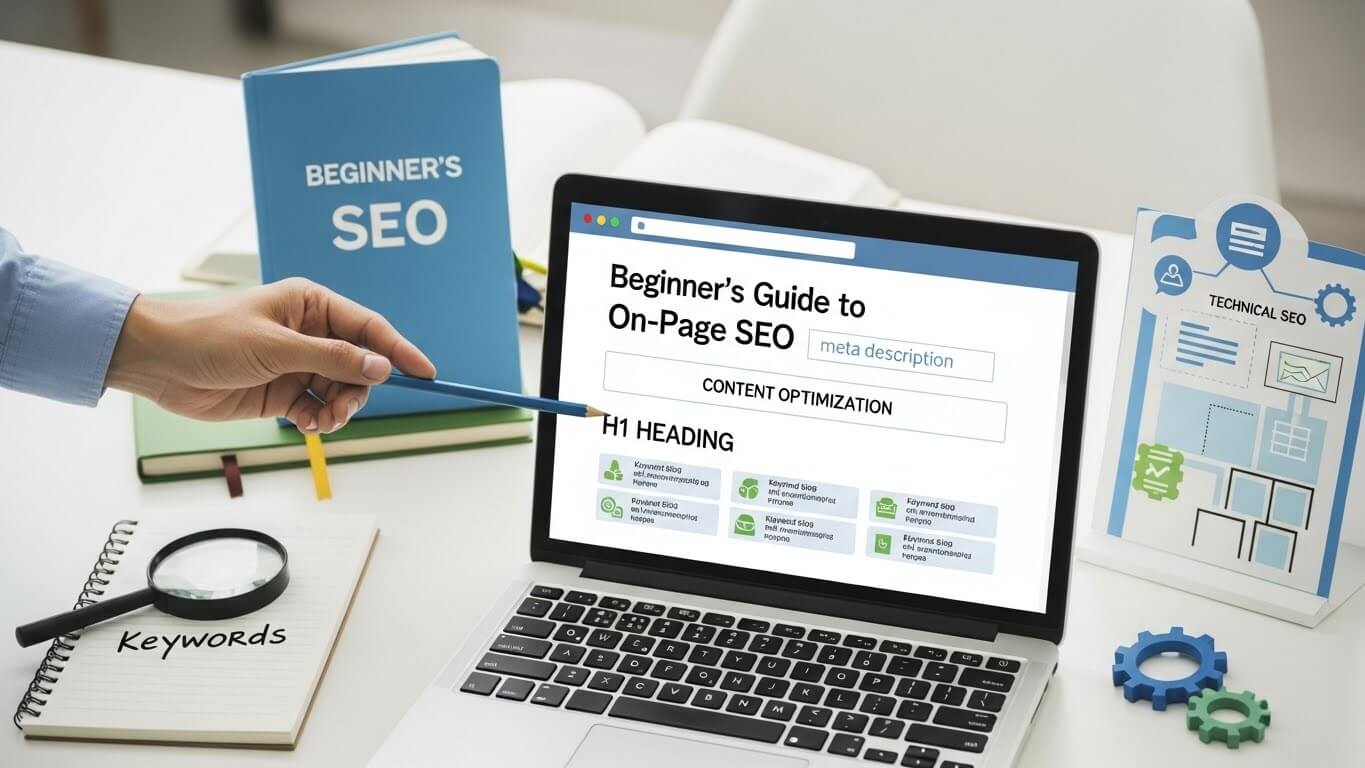
If you’re new to search engine optimization, understanding on-page SEO services is the first step toward improving your website’s rankings, visibility, and user engagement. On-page SEO refers to all the improvements you make directly on your website—including content, structure, HTML tags, images, internal linking, and more. These optimizations help search engines understand your pages and make them more relevant for users.
For industries like property, housing, rentals, and commercial listings, strong on-page optimization plays an essential role in higher Google rankings. In fact, mastering these fundamentals is a key part of how to do SEO for real estate websites to rank property listings. When your on-page elements are optimized, your real estate listings, neighborhood guides, landing pages, and location-based content can perform dramatically better in search results.
Below is a simple, beginner-friendly breakdown of what on-page SEO services include and how each element boosts your website’s performance.
1. Keyword Research and Optimization
On-page SEO starts with choosing the right keywords your audience is searching for. Services include finding primary and secondary keywords, mapping them to the correct pages, and placing them naturally in titles, headings, and content. This helps Google understand what your page is about and rank it for the right topics.
2. High-Quality Content Optimization
Your content must be helpful, clear, and engaging. On-page SEO services include rewriting or improving your existing content, adding missing information, making paragraphs more readable, and ensuring your content matches what users expect. This increases engagement and improves search rankings.
3. SEO-Friendly Title Tags
The title tag is the clickable headline that appears in search results. On-page SEO services include writing keyword-rich, compelling titles that improve click-through rates. A strong title tag tells search engines and users exactly what your page offers.
4. Optimized Meta Descriptions
Meta descriptions summarize the page content for users. While they don’t directly affect rankings, they influence clicks. On-page SEO services include writing clear, concise, and attractive meta descriptions that encourage people to visit your site.
5. Header Tags (H1, H2, H3) Structure
Headers help break your content into logical sections. On-page SEO includes organizing your content using H1, H2, and H3 tags to improve readability and help search engines understand your topics. Good header structure makes long content easier to scan and provides SEO clarity.
6. URL Structure Optimization
Short, clean, keyword-friendly URLs help users and search engines understand what a page is about. On-page SEO services include adjusting URLs to remove unnecessary words, improve structure, and maintain consistency throughout the website.
7. Internal Linking Improvements
Internal links connect one page on your website to another. On-page SEO services include adding strategic internal links to guide users, strengthen page authority, and help search engines crawl deeper into your site. This improves rankings and keeps visitors engaged longer.
8. Image Optimization
Images are important, but they must be optimized correctly. On-page SEO includes compressing images, adding descriptive alt tags, renaming image files with relevant keywords, and using proper formats. Optimized images improve page speed and accessibility.
9. Mobile-Friendly Page Optimization
Most users browse from mobile devices, so your content must look good and load well on smaller screens. On-page SEO services include checking mobile layout, improving readability, adjusting spacing, and ensuring all page elements load properly.
10. Page Speed Optimization
Faster sites rank higher and attract more visitors. On-page SEO includes improving load time by compressing files, removing unused scripts, reducing server requests, enabling caching, and optimizing media. Better speed boosts both SEO and user experience.
11. Schema Markup (Structured Data)
Structured data helps search engines understand your content better and display rich results (like FAQs, reviews, recipes, and prices). On-page SEO services include adding the right schema to the right pages to increase visibility and click-through rates.
12. Fixing Duplicate Content Issues
Duplicate content can confuse search engines and lower your rankings. On-page SEO services include identifying duplicates, rewriting content, creating canonical tags, and ensuring each page has unique value.
13. User Experience (UX) Optimization
While not often mentioned, UX plays a major role in SEO. On-page services include improving readability, reducing pop-ups, adding calls-to-action, updating layout, and making the page easier to navigate. Better UX improves engagement and conversions.
14. On-Page Technical Clean-Up
Some parts of on-page SEO are technical, such as checking indexability, improving crawlability, removing broken links, ensuring proper redirects, and fixing HTML issues. These tasks help search engines process your site more effectively.
Final Thoughts
On-page SEO services include everything that improves your website’s structure, content, speed, and user experience. For beginners, it helps to remember that on-page SEO is about making your website clear, helpful, and easy for both users and search engines to understand. When done correctly, it leads to higher rankings, more traffic, and better engagement.

Saad Raza is one of the Top SEO Experts in Pakistan, helping businesses grow through data-driven strategies, technical optimization, and smart content planning. He focuses on improving rankings, boosting organic traffic, and delivering measurable digital results.